
HSK 1 Reading Practice
Built for complete beginners who want to recognize HSK 1 words, understand simple Chinese sentences, and get ready for the HSK 1 reading test.
Beginner level · HSK 1 reading · 4 practice types
Reading practice modules
Choose one reading skill to practice first. Each module keeps your progress, so you can switch and come back anytime.
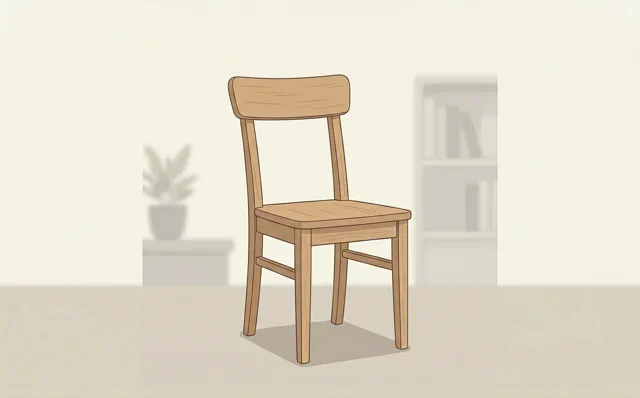
Question 1 of 20
Read the word and decide whether it matches the picture.
What you will practice here
HSK 1 reading is not about long passages. At this level, the goal is to recognize common words, understand short Chinese sentences, and choose the answer that matches the meaning.
Common HSK 1 words
Recognize basic HSK 1 vocabulary and connect Chinese characters with simple meanings.
Short Chinese sentences
Read beginner sentences made from the words and patterns you are likely to see in HSK 1.
Questions and answers
Practice matching simple questions with natural answers, a common part of beginner reading tests.
Basic sentence completion
Choose the right word to complete short sentences and review how simple Chinese works.
Reading practice types
The trainer is built around four HSK 1-style reading tasks, so you can practice one skill at a time instead of guessing through a full test.
Word Reading
Read a common HSK 1 word and decide whether it matches the picture.
Sentence Reading
Read one simple sentence and choose the matching picture from A to F.
Question & Answer Reading
Read a short question and choose the best answer from A to F.
Fill in the Blank
Choose the right word from A to F to complete a simple sentence.
Beginner HSK 1 reading topics
The questions use everyday beginner topics, so the reading practice stays close to the words and situations HSK 1 learners actually need.
People and family
Common words for family members, teachers, classmates, and friends.
Numbers and time
Basic numbers, days, time expressions, and simple schedules.
Food and drinks
Simple words for meals, drinks, fruit, and common daily items.
School and daily life
Short sentences about study, home, school, and everyday actions.
Places and directions
Basic words for places such as school, hospital, store, and home.
Simple questions
Beginner question patterns such as who, what, where, when, and how many.
How to improve HSK 1 reading
For HSK 1, short and repeated reading practice usually works better than trying to read long Chinese texts too early.
Review vocabulary first
Reading gets easier when common HSK 1 words and characters start to look familiar.
Read short sentences
Start with simple sentence patterns before trying longer passages or mixed exercises.
Check the meaning after you answer
Try the question first, then use the explanation to understand why the answer works.
Practice a little often
A few focused minutes of HSK 1 reading practice is more useful than rare long sessions.
HSK 1 reading FAQ
What does HSK 1 reading practice include?
HSK 1 reading practice includes word recognition, simple sentence reading, question-answer matching, and basic fill-in-the-blank exercises.
Is HSK 1 reading difficult for beginners?
It can feel hard at first if Chinese characters are still new. Short practice with common HSK 1 words makes the questions easier to understand over time.
Do I need to know all HSK 1 vocabulary before practicing reading?
No. You can start reading early, but reviewing HSK 1 vocabulary will help you read faster and make fewer guesses.
What is the best way to improve HSK 1 reading?
Start with common words, read short sentences, answer simple questions, and review the explanation after each answer.
Can I use this page as HSK 1 reading test practice?
Yes. The exercises are designed around beginner reading skills and common HSK 1-style question formats.
What you can do next
After HSK 1 reading practice, keep building the skills that make beginner Chinese easier to understand.